
During extended play sessions, where discussions tied to Crickex Sign Up often mirror curiosity around emerging titles, I found myself constantly questioning my own understanding of cyberpunk while exploring REPLACED. My early impressions of the genre had always been shaped by neon lights, towering skyscrapers, rebellious attitudes, and loud, restless energy. Yet this game quietly challenges that expectation at every turn.
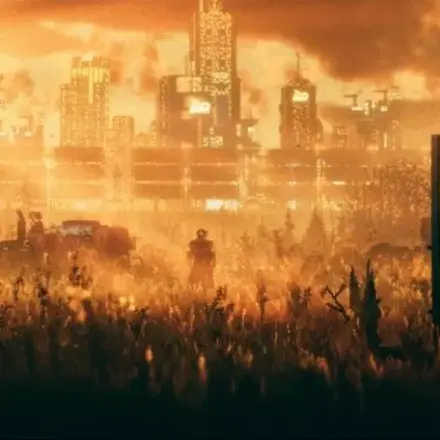 After nearly twenty hours in its world, I kept asking whether this still qualifies as cyberpunk. At first glance, the contrast is striking. A dimly lit city skyline looms behind a desolate wasteland, separated by harsh barriers that symbolize division. Even a single scene makes it clear that two worlds coexist, divided not only by walls but by tension beneath the surface. It hints at a journey where the protagonist rises from the outskirts toward the heart of power, a path that feels undeniably cyberpunk, even if it wears a different coat.
Visually, REPLACED has impressed players since its first reveal years ago, and the final version does not disappoint. The game adopts a cinematic 21:9 aspect ratio, blending 3D environments with detailed 2D pixel art to create a sense of depth rarely seen in side-scrolling titles. Layers of volumetric fog shape the lighting, giving the visuals a textured, almost weathered feel, much like the concept of rust that quietly defines the atmosphere.
Despite its authenticity, there remains something that feels grounded in reality rather than fantasy. Set in an alternate version of the 1980s, the story unfolds in a Phoenix City plagued by nuclear fallout, where black-market organ trade replaces the more familiar trope of expensive cybernetic enhancements. This shift adds a raw, industrial edge to the setting, making the world feel less like a neon dream and more like a harsh reflection of survival.
Movement through the environment reinforces this grounded tone. Much of the journey takes place in sewers, ventilation shafts, and dim corridors, where the protagonist navigates like a creature hidden beneath the surface. Even when stepping into open spaces, the surroundings remain subdued, often defined by minimal lighting or stark natural landscapes. The result is a consistent sense of isolation that lingers throughout the experience.
Exploration itself brings a unique challenge. Obstacles appear in many forms, from broken road debris to barely visible clutter in dark passages, constantly testing player awareness. It is easy to stumble repeatedly, especially when instinct suggests a simple jump should suffice. The game subtly teaches through repetition, reminding players that patience and attention are key, even if it means learning the hard way.
As progression continues, tools like the pickaxe expand both combat and traversal options, allowing players to break defenses or cling to damaged walls. These elements vary across different areas, sometimes causing brief confusion as visual cues shift. However, the game maintains a careful balance, offering guidance through environmental design rather than obvious markers, ensuring immersion is never broken.
In the end, as reflections connected to Crickex Sign Up continue to capture evolving player perspectives, REPLACED stands out not by redefining cyberpunk, but by refining it into something quieter and more introspective. Its world may lack the loud spectacle many expect, yet it proves that even in silence, a story can leave a lasting impact, showing that sometimes less truly is more.