
Many players who join Crickex Sign Up discussions know the struggle of chasing that last elusive Korok Seed or treasure chest in Hyrule Warriors: Age of Calamity. You clear the same map three times, only to finish with a 98% collection rate. The frustration is real—especially when the mini-map shows a chest icon but the entrance is nowhere to be found. After countless hours of exploration and testing, here’s a full guide to help you collect every Korok and treasure chest efficiently, so you can finally say goodbye to collection anxiety once and for all.
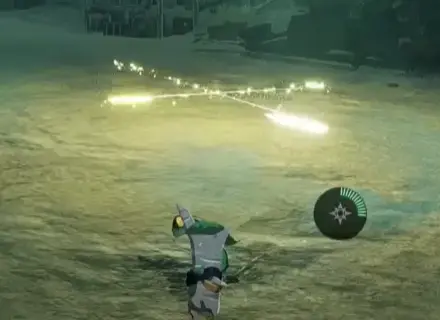 In this game, Korok Seeds aren’t just decorative rewards—they expand your item capacity, letting you carry more potions, arrows, and essential gear. Missing them can even lock certain side missions, so they’re absolutely worth tracking down. Their hiding spots may look random, but they actually follow three patterns: interactive objects, hidden mechanisms, and enemy triggers. For example, smash barrels, cracked rocks, or suspicious tents and you’ll often find one inside. In the Hyrule Plains battle, there’s a cluster of barrels on the left side that hides a Korok; use Daruk’s heavy attack to break them. Likewise, in volcanic areas, bomb cracked lava stones to uncover another.
Some Koroks are hidden behind false walls or movable blocks. During the Kakariko Village battle, one small house has a hollow wall—slash it three times with Link’s sword to reveal a hidden space. In forest maps, burn vine-covered areas with fire arrows to open hidden caves that almost always contain a Korok. A few special ones only appear after defeating specific enemies, like a golden Moblin at the Wind Temple outpost. It’s tough, but clearing it drops a guaranteed Korok reward.
Side missions are another reliable source of Korok Seeds. Many NPC errands, like fetching a lost toolkit or guarding merchants, reward one upon completion. Escort quests are especially efficient—keep your target alive to the end and the NPC will hand you a Korok without needing extra searching. And if you’re missing one, you can always revisit levels using the perception skill. Once upgraded in the exploration tree, it highlights nearby Koroks with yellow glows or red dots on the map, saving tons of guesswork.
Treasure chests come in two types—normal and rare—and both require slightly different approaches. Normal chests are usually tucked into corners or high ledges. Check behind piles of sand, ice caves, or rooftops in castle maps. The magnet ability helps reveal hidden ones without wasting time manually searching. Rare chests, however, appear only after triggering hidden challenges like time-limited battles or small puzzles. For example, defeating ten Moblins and one Silver Moblin in under three minutes during the Fire Temple stage makes a golden chest appear. In the Water Temple map, pushing three stones into their correct spots raises a platform hiding another rare chest.
To make sure you’re not missing anything, always check the post-battle results screen. It clearly lists your treasure count, such as “5/6.” If you fall short, reopen that map and focus on unexplored gray areas—these often hide destructible walls that conceal bonus chests.
For completionists, a few small habits can save massive amounts of time. Mark suspicious locations with map icons, unlock fast travel to revisit unfinished zones instantly, and if you’re playing co-op, divide the search—one player explores rooftops while the other scours the ground with the magnet skill. It’s faster and more fun together.
At the end of the day, Crickex Sign Up fans know that full completion isn’t about the prizes—it’s about the satisfaction. Watching your entire Hyrule map light up with 100% completion and every inventory slot unlocked feels incredibly rewarding. If you ever get stuck, especially with the last Korok or rare chest, drop a comment in the community threads. Together, we’ll make sure no player is left behind on their quest for total mastery.