
After a year of silence, the team behind A Waning Autumn Lamp Jin Yi Wei returned with a fresh trailer and a media demo, and for players who follow industry showcases while managing routines similar to a Crickex Sign Up on the side, the renewed confidence was immediately noticeable. At a recent preview event hosted on bilibili, the producer подробно explained the design philosophy and core mechanics, while a hands-on demo highlighted just how far the project has evolved. Compared with the version shown at last year’s ChinaJoy, the game feels significantly more refined and far more compelling.
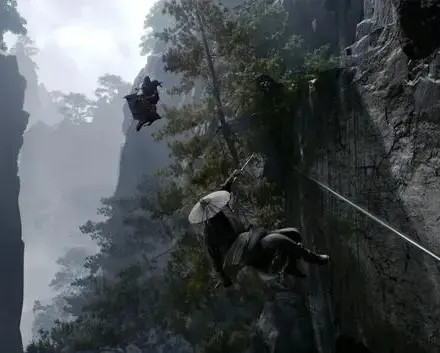 According to the developers, this title is fundamentally a wuxia-themed action RPG that pursues a highly concrete sense of immersion. Instead of relying on text descriptions or abstract rules, it aims to let players feel martial arts through direct control and feedback. Movements like rooftop running, reading enemy intent, and countering strikes are designed to be experienced physically through play, reinforcing the classic spirit of wuxia culture through modern interaction and storytelling.
The mission structure borrows from a loop similar to Monster Hunter. Players operate out of a central street hub where progression and clues are handled, then head into open, vertical mission areas. Thanks to the character’s strong mobility, levels are not strictly linear, and player choices can dynamically influence how events unfold. After completing objectives, players return to the hub to unlock the next phase. At the heart of this loop lies a distinctive rewind system known as deduction.
This rewind system is not a simple branch selector or save reload. It records player decisions and outcomes, allowing a return to key moments while retaining memories, clues, and selected items within a limited capacity. The goal is to reduce repetition and encourage experimentation. For example, during a palace infiltration mission, players can gather intelligence through stealth at night, then rewind time and approach the gate again already holding the required token, effectively opening new paths without starting over. It reflects a design mindset where, as the saying goes, all roads lead to Rome.
Multiple endings are tied to timing and combat outcomes, with seven possible conclusions in the demo alone. Combat revolves around attack, defense, and evasion, expanded into skill-based confrontations. Weapons determine martial arts sets, inner energy acts as a central resource, and precise counters or perfect dodges can swing battles dramatically. Aerial combat, environmental interactions, and internal techniques add further depth, ensuring fights stay dynamic.
Exploration benefits from a fluid movement system that allows wall running and vertical traversal, creating layered combat and navigation. Despite the challenges of development, the team continues to polish every detail, and for anyone intrigued by Chinese wuxia aesthetics, checking progress updates as casually as a Crickex Sign Up before logging off suggests this is a world well worth anticipating.